
Forensic Gait Analysis of Surveillance Video in Injury and Workers’ Comp Cases.
Are the alleged injuries and limitations supported by what the footage actually shows?
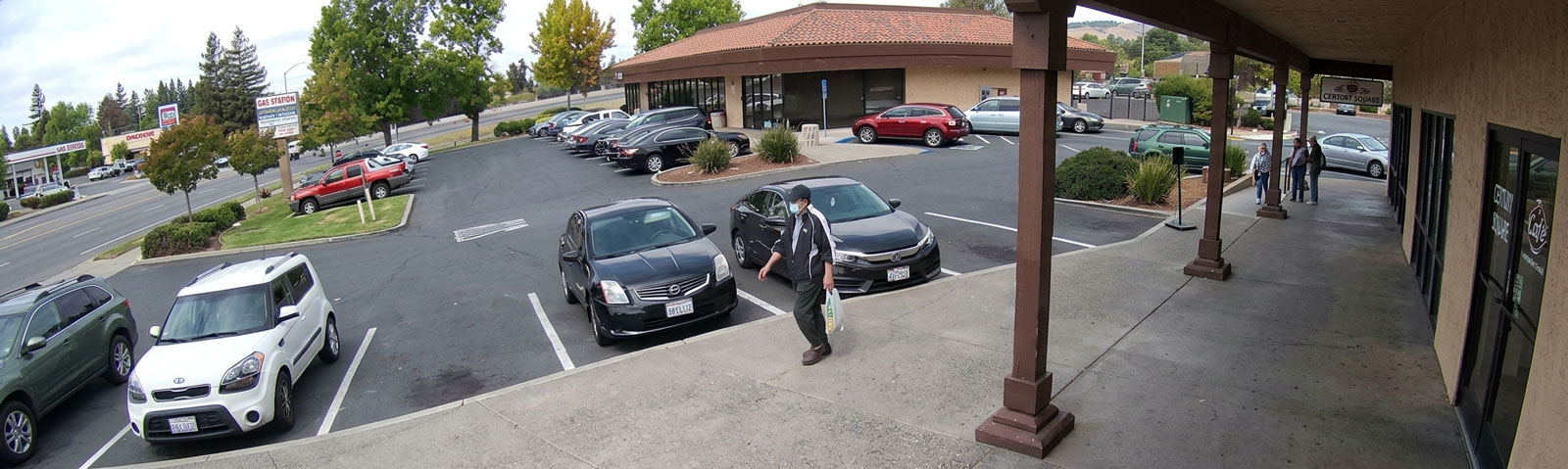
Surveillance footage is evidence — and like all evidence, it can be misread by either side. Dr. Michael S. Nirenberg, a board-certified forensic podiatrist, analyzes how a claimant walks, stands, lifts, climbs, and bears weight, frame by frame, and compares the footage against the claimed injury and limitations.
Retained by attorneys, the methodology is identical regardless of which side has retained the work. The opinion follows the evidence — which is what makes the analysis durable when challenged.
About the Expert
Forensic experience trusted by attorneys, the Department of Justice, and law enforcement.
- Expert assistance provided to the FBI, the U.S. Department of Justice (DOJ), U.S. and Canadian law enforcement agencies, and attorneys representing plaintiffs, defendants, and insurers
- 33+ years in practice
- Board-certified in Primary Care in Podiatric Medicine and Foot & Ankle Surgery, American Board of Multiple Specialties in Podiatry
- Co-editor of “Forensic Gait Analysis: Principles and Practice,” Taylor & Francis CRC Press
- Over 50 publications; editor for JAPMA and Science & Justice
- 100+ educational presentations to forensic experts, law enforcement, podiatrists, and the public
Three things video can reveal — when read by a qualified expert.
The Manner of Walking
Frame-by-frame documentation of stance phase, swing phase, heel contact, foot-flat, toe-off, base of gait, arm swing, head and torso position, joint motion, balance, symmetry, and pace.
Weight-Bearing & Function
Is the claimant truly avoiding weight on the injured limb, or compensating for it? The footage is measured against the medical records and sworn testimony with specific timestamps.
Assistive Devices & Context
Cane use, braces, footwear, environmental conditions, distance, duration, and effort all matter. The analysis separates incidental activity from genuine functional capacity with rigor.
What the record reflected. What the video actually showed.
Surveillance can reveal exaggeration. It can also be cherry-picked, taken out of context, or read by a non-expert as proof of function the footage does not actually demonstrate. A rigorous forensic gait analysis distinguishes the two.
The same frame-by-frame methodology that can identify a malingering claimant can also support a genuinely injured claimant against a misleading edit, a brief clip without context, or an investigator’s report that overstates what the footage shows.
Examples from real matters
Built to withstand challenge — from either side.
— Dr. Michael S. Nirenberg, DPM
Retained by attorneys on either side of the same methodology.
When the footage appears to support the claimant
Supporting genuine injury.
- Rebuttal of investigator reports that overstate or mischaracterize the footage
- Identification of antalgic gait, compensatory movement, and pain behaviors visible on video
- Context-restoration for clips presented out of duration, distance, or environmental context
- Response to opposing gait, biomechanical, or surveillance-based expert opinions
When the footage appears to contradict the claim
Documenting inconsistency.
- Independent expert opinion to support IME conclusions or rebut treating-physician findings
- Frame-by-frame documentation suitable for motion practice and trial exhibits
- Cross-referencing of surveillance to deposition testimony and medical records
- Referrals on suspected malingering or material misrepresentation
Where surveillance gait analysis makes a difference.
Workers’ Compensation
Disputed lower-extremity injuries, CRPS/RSD claims, permanency and restriction disputes, return-to-work determinations, IME corroboration, and IME rebuttal.
Personal Injury & Auto
MVA cases involving foot, ankle, knee, hip, or back injuries where surveillance has been obtained and the extent of impairment is contested by either side.
Premises Liability & Slip and Fall
Cases where claimed gait impairment, balance problems, or post-fall limitations are either supported or appear inconsistent with documented activity on video.
Long-Term & Short-Term Disability
Disability claim investigations and appeals where surveillance behavior is being weighed against reported functional capacity and treating physician opinions.
SIU & Fraud Investigations
Insurance Special Investigations Unit referrals requiring a credentialed expert opinion before a denial, referral, or fraud action — and rebuttal of the same.
Social Security & Veterans’ Disability
Administrative hearings and appeals where gait, weight-bearing, and functional limitations are central to the disability determination.
Questions counsel tend to ask first.
Do you favor plaintiff or defense work?
Will you decline a case if the footage doesn’t support the retaining party?
Is forensic gait analysis a recognized discipline?
What kind of video do you need?
What materials should accompany the surveillance?
How long does an analysis take?
Will Dr. Nirenberg testify at deposition or trial?
Can I see Dr. Nirenberg’s CV?
What does an engagement cost?
RETAIN THE EXPERT
Send the footage. We’ll tell you what it actually shows.

